Top 7 Must-See Attractions in Hue Imperial City
Explore the rich cultural heritage of Hue Imperial City with these 7 essential attractions that showcase the grandeur of the Nguyen Dynasty.
By VietnamRanker Editorial·

Top 7 Must-See Attractions in Hue Imperial City
Hue, located in central Vietnam, is a city steeped in history and culture. As the capital of the Nguyen Dynasty from 1802 to 1945, it boasts a wealth of impressive monuments, palaces, and temples. The Hue Imperial City, a UNESCO World Heritage Site, is the crown jewel of this cultural treasure trove. Here are seven must-see attractions that capture the essence of Hue's imperial heritage.
Quick Picks
- Noon Gate
- Thai Hoa Palace
- Ngu Phung Palace
- Forbidden Purple City
- Duyet Thi Duong Royal Theater
- Cung Dien Tho
- Kien Trung Palace

1. Noon Gate
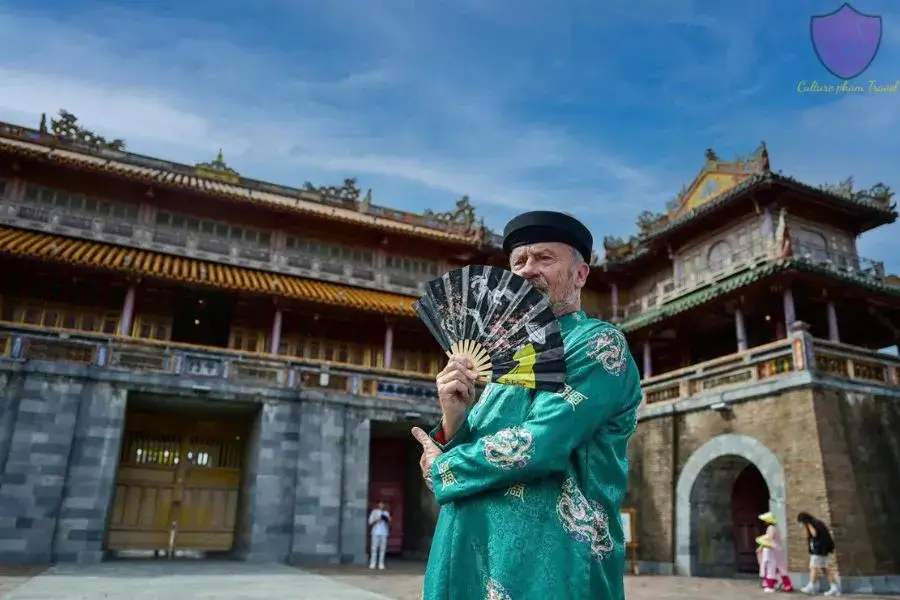
The Noon Gate, or Ngo Mon, serves as the primary entrance to the Royal City and is one of the most iconic structures within Hue Imperial City. Completed in 1833, this impressive U-shaped gate features five entrances, with the central yellow door reserved exclusively for the emperor. The architectural design showcases a blend of function and symbolism, making it a perfect starting point for your exploration of the citadel.

2. Thai Hoa Palace
Often referred to as the Supreme Harmony Palace, the Thai Hoa Palace is the ceremonial heart of the Nguyen Dynasty. This palace was the site of imperial coronations and significant royal ceremonies. Following extensive restoration, it reopened to visitors in late 2024, revealing its stunning golden-red interiors and intricate lacquered details. The palace is particularly breathtaking in the soft morning light, making it a photographer's paradise.

3. Ngu Phung Palace
Perched above the Noon Gate, Ngu Phung Palace is a striking architectural masterpiece featuring 100 columns and a unique yin-yang tiled roof. This palace symbolizes the power of the emperor, adorned with dragon motifs. Historically, it served as the venue for major royal ceremonies, and today it stands as a testament to the craftsmanship and artistry of the Nguyen Dynasty.

4. Forbidden Purple City
Once the exclusive residence of the emperor and his family, the Forbidden Purple City is a walled area within the Imperial City that offers a glimpse into royal life. Although it suffered significant damage over the years, restoration efforts have revitalized parts of this area, and it remains an essential visit for those interested in the daily lives of Vietnam's former rulers.
5. Duyet Thi Duong Royal Theater
This theater was constructed during the reign of Emperor Gia Long to host royal performances and entertain the royal family. Today, it serves as a venue for traditional Hue Royal Court music, which is recognized as a UNESCO Masterpiece of the Oral and Intangible Heritage of Humanity. Visitors can enjoy performances in this culturally rich setting, making it a must-see for art enthusiasts.
6. Cung Dien Tho
Cung Dien Tho, the residence of the emperor's mother and grandmother, is the largest intact structure within the Imperial City. This area comprises over ten buildings connected by roofed corridors, providing an insight into the domestic lives of the royal family. Its preserved architecture allows visitors to appreciate the intricate details and historical significance of this royal abode.
7. Kien Trung Palace
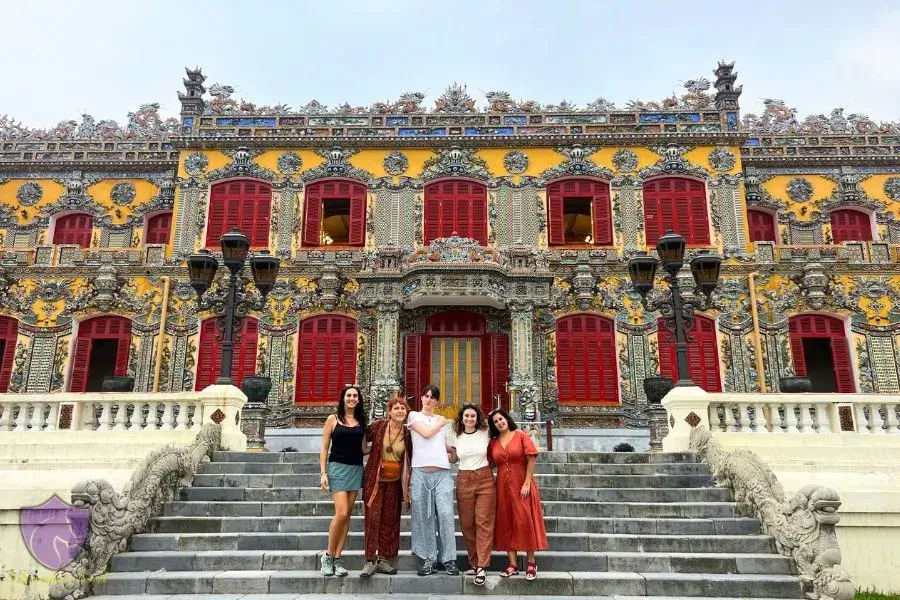
One of the latest highlights of Hue Imperial City, Kien Trung Palace was built between 1921 and 1923 during Emperor Khai Dinh's reign. This palace harmoniously blends traditional Vietnamese architecture with French and Italian Renaissance influences, offering a unique perspective on the evolution of royal design. After a comprehensive restoration, it reopened in 2024, showcasing its vivid yellow facade and colorful ceramic decorations, making it a favorite amongst photographers.
Tips for Visiting Hue Imperial City
- Entrance Fee: To access the Imperial City, an entrance fee is required. Proceeds contribute to its conservation efforts.
- Opening Hours: The citadel is open daily from 7 a.m. to 5 p.m., providing ample time for exploration.
- Best Time to Visit: Early morning is ideal for fewer crowds and softer lighting, especially for photography enthusiasts. Also, consider visiting during special festivals to experience vibrant cultural activities.
- Getting Around: Walking is a great way to absorb the sights, but electric golf carts are available for those needing a break.
- Dress Code: Wearing traditional Ao Dai can enhance your experience and make for stunning photographs against the citadel’s backdrop.
Conclusion
Hue Imperial City is a treasure trove of cultural heritage, offering visitors a glimpse into Vietnam's imperial past. From the majestic Noon Gate to the intricately restored Thai Hoa Palace, each attraction within this historic complex tells a story of grandeur and tradition. Whether you’re a history buff, a photography enthusiast, or simply looking to immerse yourself in Vietnamese culture, Hue Imperial City promises a memorable journey.

Comments
0No comments yet. Be the first to share your thoughts.